 Dlightning
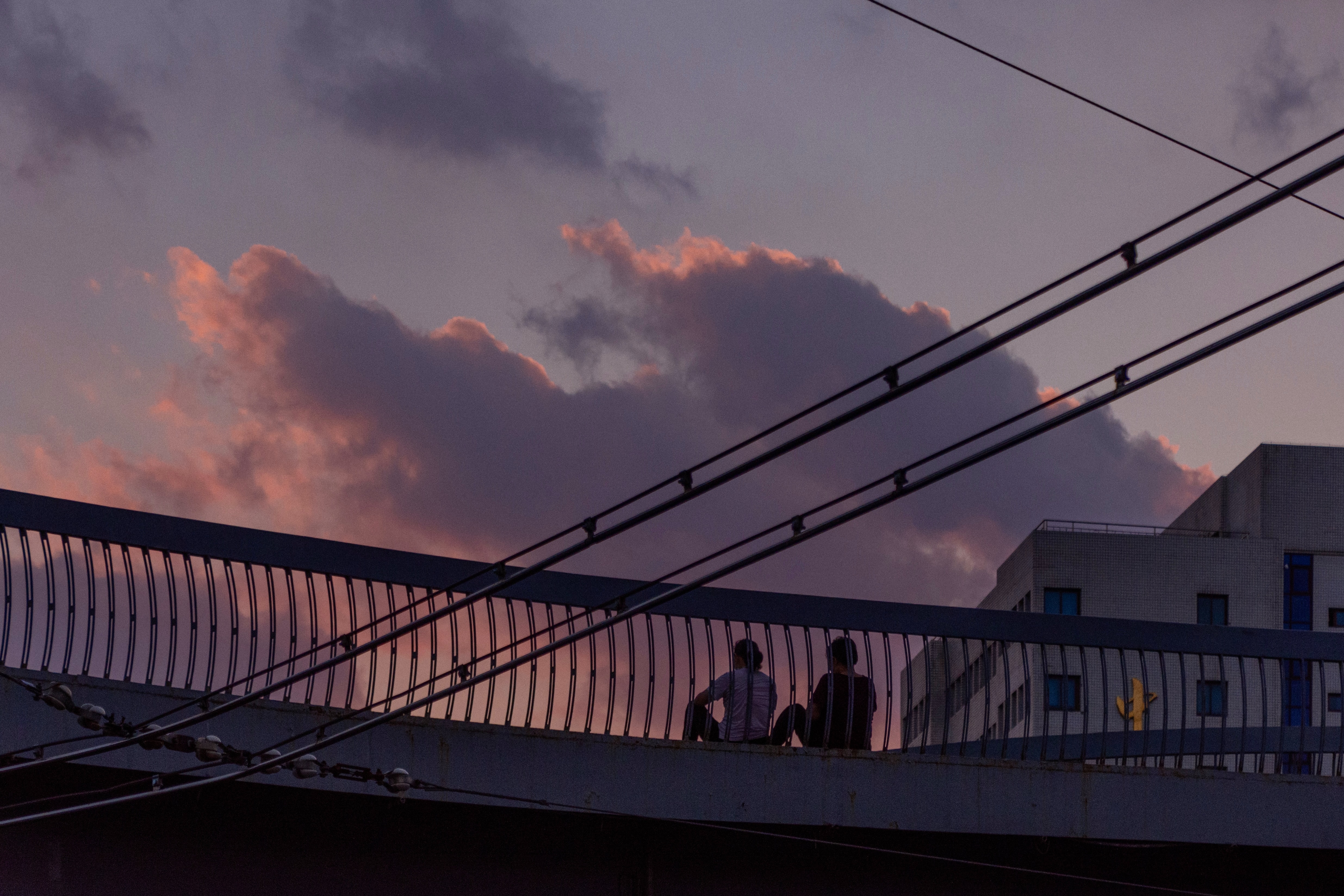
Count the birds a hundred paces into the woods. Then count them a hundred paces out in the open field beside it. Then count the strip where the two meet. The strip wins, and it isn't close.
Aldo Leopold put this in writing in 1933, in a textbook on managing game. Animals collect where the food they need and the cover they need sit next to each other, so the productive ground is rarely the middle of anything. It's the band where one kind of place ends and another starts. He called it the law of interspersion. Ecologists call the band an ecotone.
The arithmetic gets stranger in dry country. A desert creek carries a ribbon of cottonwood and willow, maybe forty feet across. That ribbon is a fraction of one percent of the land in the western states, and more bird species use it than use everything around it combined.
I spent an hour proving this to myself along the back fence of an abandoned lot, picking blackberries. The fruit wasn't deep in the bramble, where the canes go leggy in their own shade, and it wasn't out in the trodden grass by the sidewalk. It was in the two feet where the thicket met the open, warm from the sun and hanging thick, most of it an inch past where I could reach without committing. I came home with a full container and a forearm that looks like I lost a fight with a cat.
Break a forest into parcels and you manufacture edge, and edge brings wind, heat, and the nest predators that work margins, which is why the same phrase, edge effect, shows up in conservation papers as a warning. The edge is where things happen, which is why it's also where they're lost.
In 1909 Arnold van Gennep read through the ceremonies of dozens of societies and found the same three-part shape in all of them. The person is pulled out of their ordinary place. They're held at the boundary between the two, no longer what they were and not yet what they'll be. Then they return as someone with a different standing: the child returns an adult, the outsider returns a member, and the whole group treats them accordingly from that day on. His word for the transitional stage came from limen, Latin for the sill of a door. Liminal.
Notice where the change is. Not in the old status, not in the new one. In the interval, which those cultures went to real trouble to stretch out and make uncomfortable: the fast, the vigil, the shaved head, the night alone in the dark. A person is traversing the sill as the change takes place.
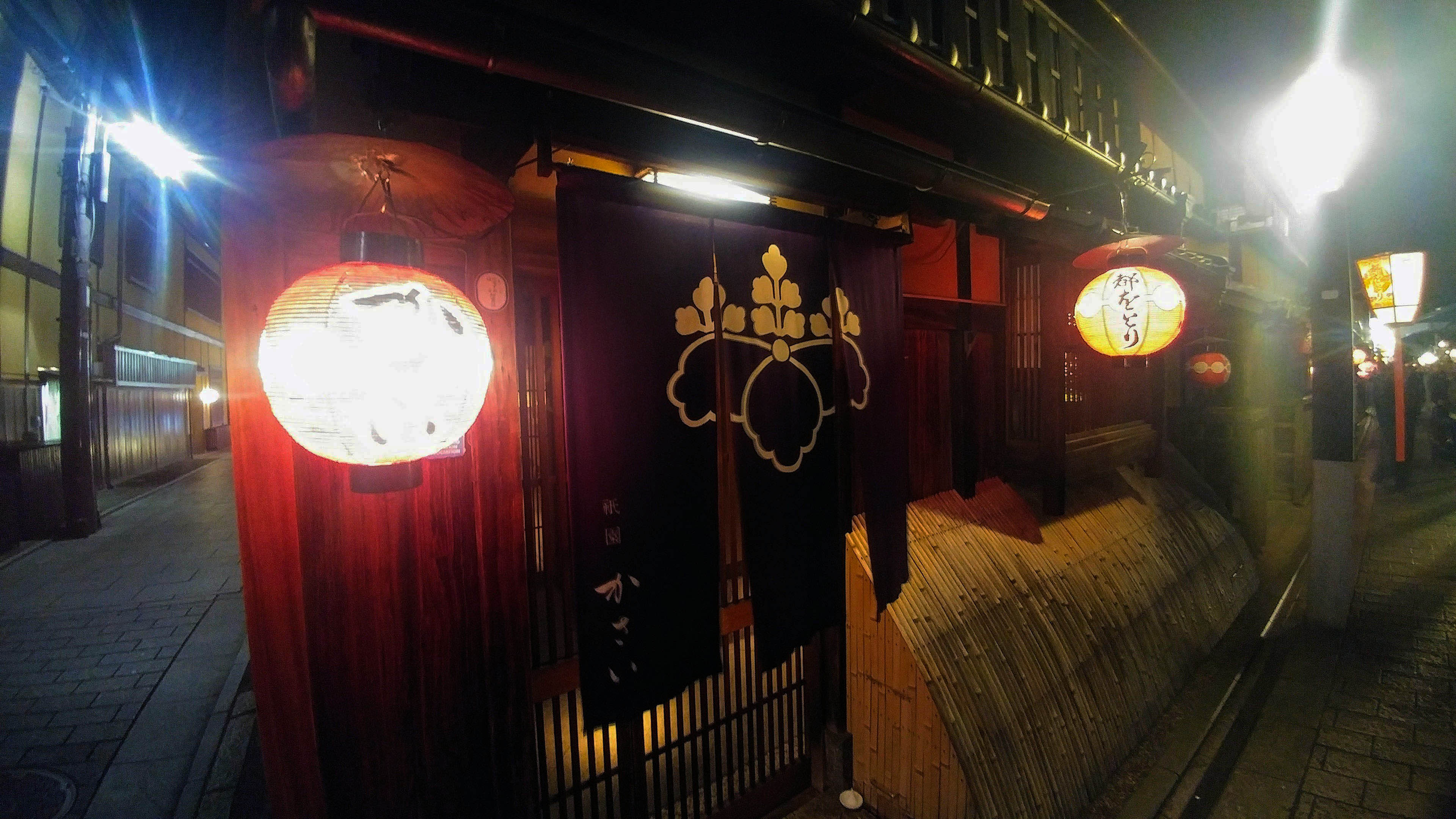
A Japanese house has a genkan, the patch of floor between the front door and the interior rooms, and it sits a step below the level you're heading for. You stand down in it to take your shoes off. Your feet report the change before you've had a thought about it. Christopher Alexander wrote the general version into A Pattern Language as entrance transition: put a stretch between the street and the door where the light, the sound, the level, or the view shifts. Without it, he argued, the inside of a building never becomes properly distinct from the outside.
Psychologists at Notre Dame reported in 2011 that walking through a doorway makes you likelier to forget what you came for, as though the mind files the last room and shuts the drawer. The effect has shrunk under later testing, showing up mainly when someone is already carrying a heavy load. Anyone who has walked into the kitchen and stood there without the faintest idea why they arrived has run the experiment.
Which makes the past century of removing "thresholds" a strange undertaking. Consider what happened when a lot of people stopped commuting. The forty minutes of travel had always read as the tax on the job, and it turned out was doing a conversion: the walk to the platform, the standing, the last few streets, all of it turning one person into another. Take it out and the two "rooms" run together. People who lost the commute started walking around the block before opening their laptop and calling it a fake commute, and it works, though the walk goes nowhere at all. Whatever the trip was doing for them, it wasn't simply transport.
A door that costs nothing to pass isn't a threshold. It's a gap in a wall, and you arrive on the far side as the same person who left.
Dusk is an ecotone too, the seam between the day animals and the night ones, and more moves in that half hour than in the settled hours on either side of it. That's the argument for the genkan, the vigil, the walk around the block that goes nowhere. At the point of crossing over is where active transformation happens.