 Dlightning
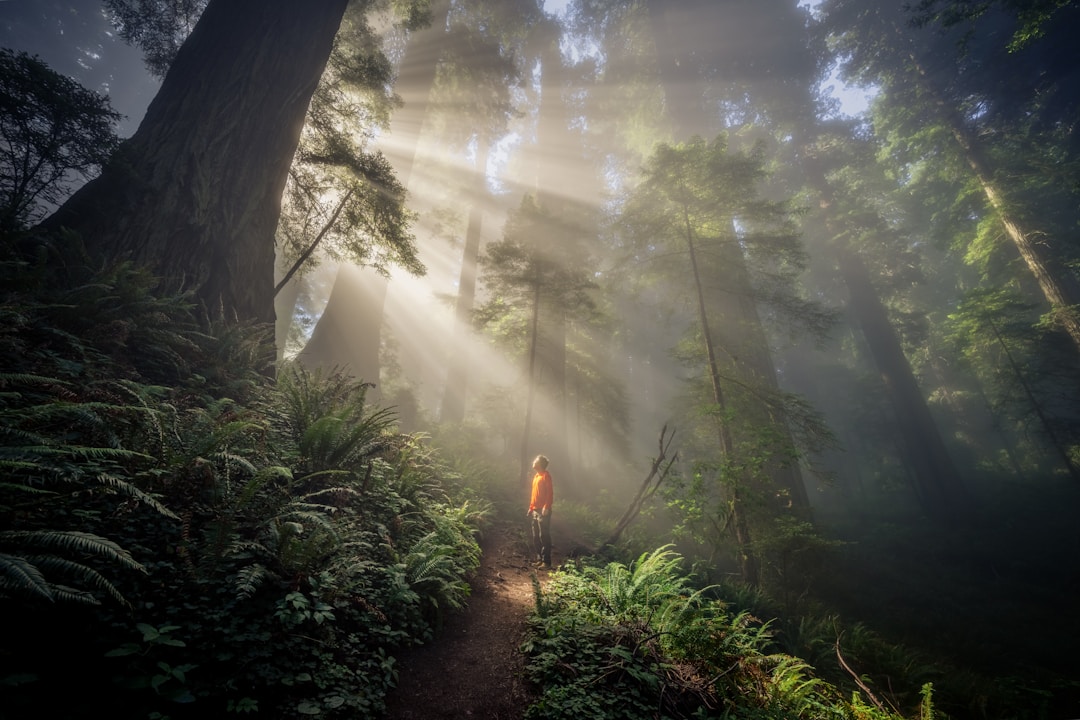
In what is now Kentucky, lake sediment cores hold the record of a chestnut forest tended by Shawnee ancestors for more than three thousand years. Not a farm. A forest, managed with routine burning — fossilized charcoal marks each cycle in the strata. The trees were selected. The soil was enriched. None of it written down. All of it passed in practice, season after season, through hands that showed other hands.
We are building more intelligence. I'm less sure that we're asking what kind.
The kind of intelligence we're building is articulate. It processes language, finds patterns, retrieves information fast. You can write it down, train it, deploy it, and scale it. It earns its place in a product roadmap.
The other kind looks like this: during Manoominike Giizis — what the Anishinabe call the wild rice-making moon — harvesters go out on the lakes with two sticks and a canoe. They bend the stalks over the gunwale, the rim of a boat where the hull meets the deck, and knock the grain in. The knowing is in the pressure, the timing, the sound of grain on hull. Which stalks are ready. Which need another day. You don't learn this from a description. You learn it from going out, season after season, until the lake and the rice and your hands have a kind of resonance.
Sometimes the knowing moves into the seed. Varieties selected and replanted across generations adapt to specific soil, specific cold, specific rain — not in a document, but in the biology. Corn the Pawnee carried to Oklahoma grew smaller each season until it was returned to Nebraska soil. Something in the seed held where it had come from.
Trees pull water a hundred meters upward against gravity with no pump. The mechanism is transpiration: water evaporates from millions of leaf pores, creating tension that draws a continuous column of water up through the xylem — a crazy straw scaled to the size of a redwood. Not intelligence in the sense we usually mean. Structure. Hundreds of millions of years of working one problem until the solution was built into the body itself.
That's a different shape of knowing. No control room. No model. Just architecture that works because of how long it took to arrive there.
Every interface makes a choice about which kind of knowing it trusts.
Most interfaces are built for the articulate kind. The form field. The structured input. The preference you can name and type. What's harder to design for is the knowledge that doesn't come with words attached. The user who can't say why something feels wrong. The practitioner adjusting based on something absorbed over years of doing the same thing.
We call this intuition and treat it as a liability. Something to validate, test, and override with data. But the Anishinabe harvester reading which stalks are ready isn't guessing. That's precision built from years of attention, accumulated until it no longer requires conscious thought. The absence of articulation isn't the absence of intelligence.
We talk about following users, responding to behavior, going where they lead. But what users do is shaped by what we build. We set the terrain. The behavior follows. We're not tracking the herd. We're deciding where the grass grows.
The Shawnee chestnut forest didn't happen in a generation. Three thousand years of people showing up, paying attention, and passing on what they noticed. None of them designed the whole thing. They each contributed to something that would live on long past their lifetimes.
That's a different design brief than "solve the problem in front of you." It asks: what are we leaving better than we found it? Who are we building for that we'll never meet?
Faster, more articulate intelligence has never been easier to build or deploy. The slower kind, the kind that accumulates in practice and place over generations, is harder to sustain in a world that keeps accelerating.
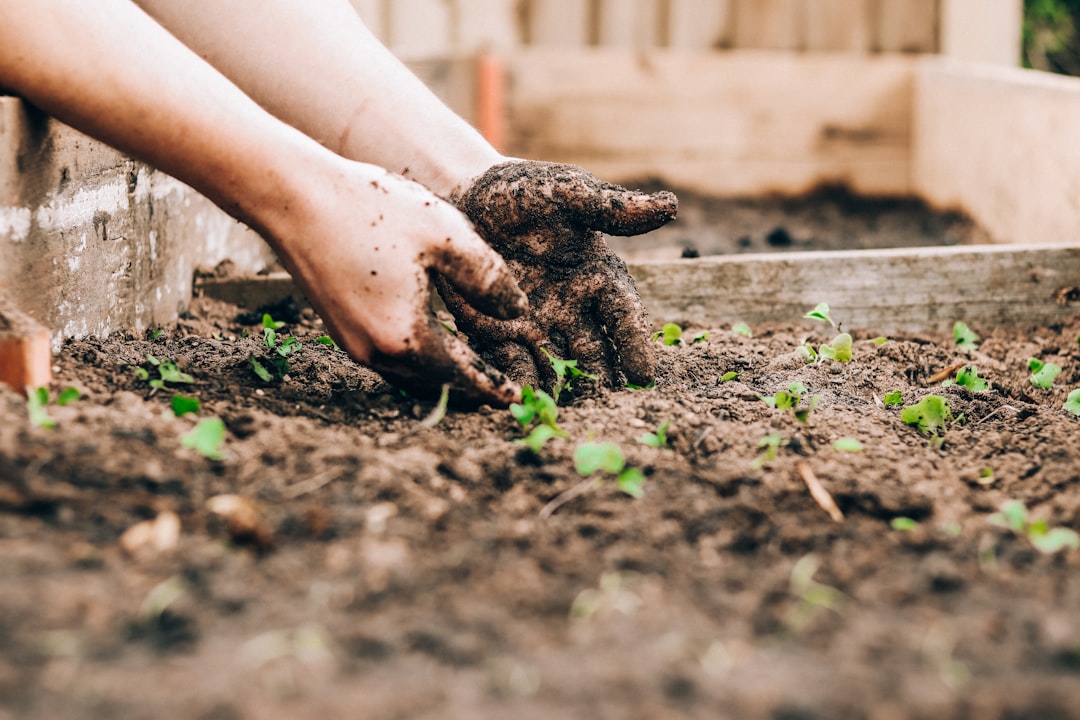
The interfaces that last, the ones that deepen instead of being optimized for growth, are built the way that forest was. Not through a single insight or a better algorithm. Through presence. Through returning to the same problem long enough that your hands start to know something your head hasn't caught up to yet.