 Dlightning
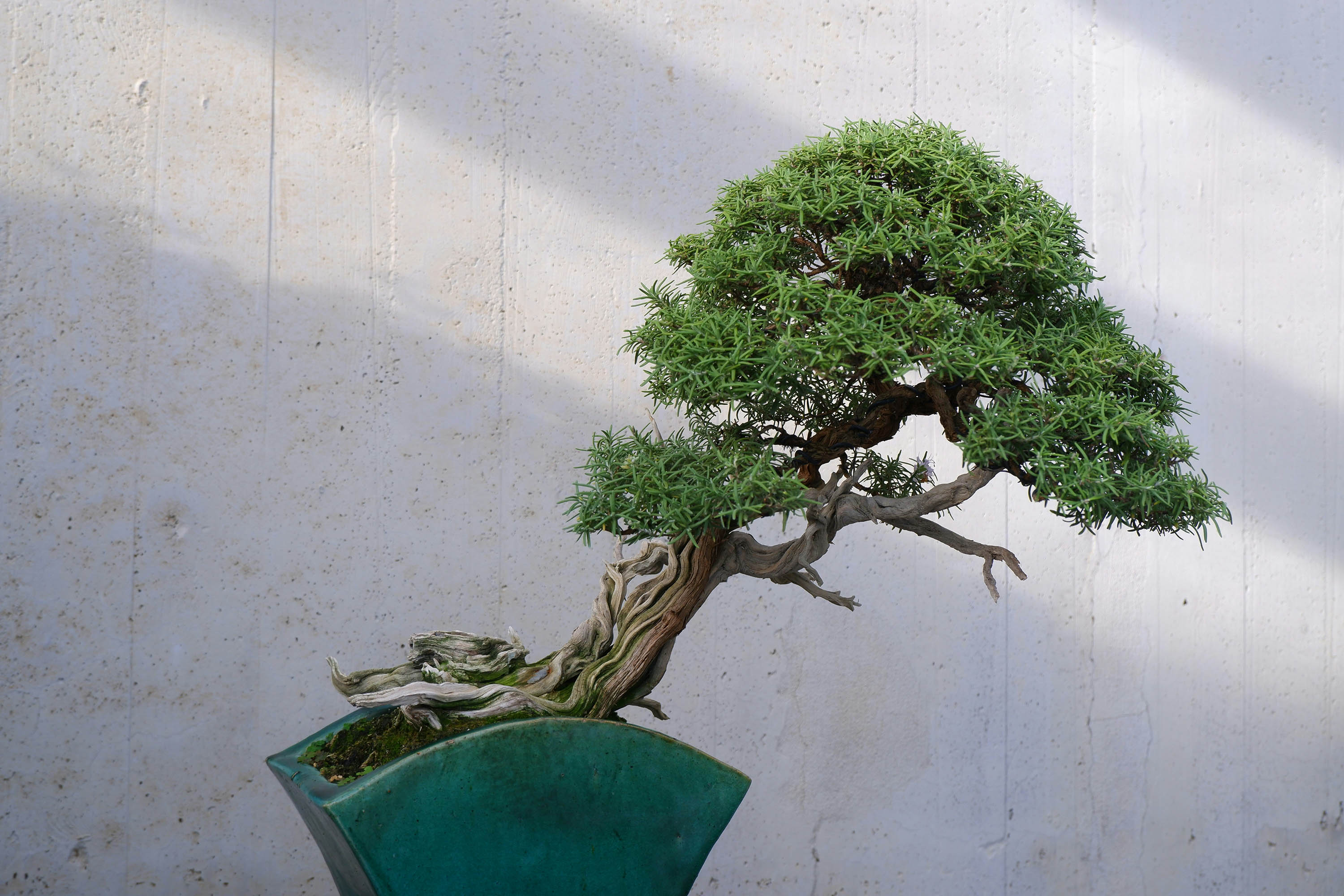
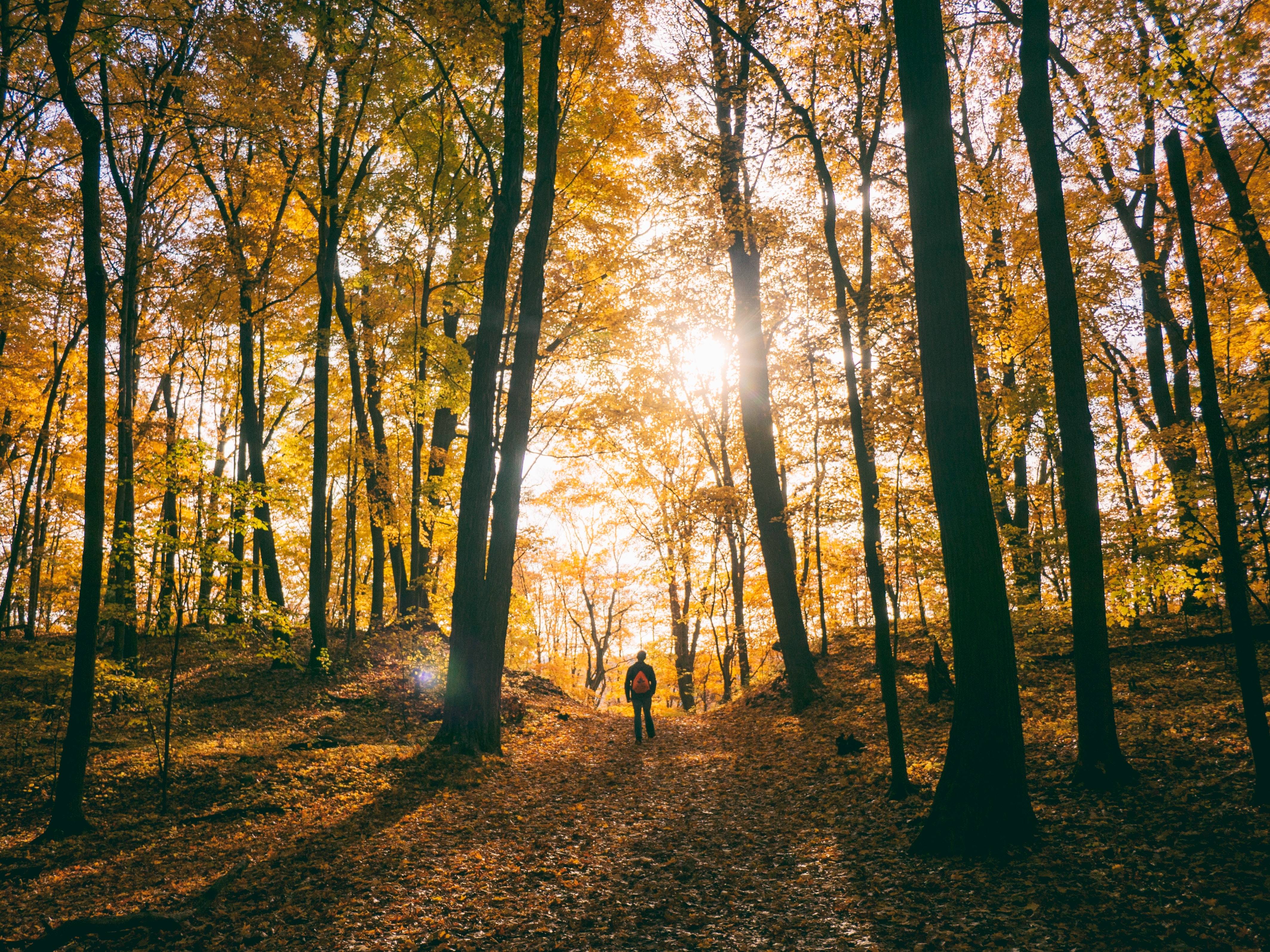
I've pruned trees for years. Big ones, the kind you lean a ladder against. Orchard trees, apple, pear, even olive. You learn to see what's coming before you make the cut. Every cut is final. You live with the decision. The tree adapts. If you do it right, you're guiding the tree into the future with care and respect.
Bonsai isn't that different. Smaller scale, same stakes.
There's a physicality to it. You're on the ground in the sun, crouching, leaning, laying on the ground to see the shape from below. Your back aches. Juniper needles stab at your hands in a steady assault. It's not precious. It's work.
But the work is also about making aesthetic decisions one after another.
Cut here? Or here? This branch blocks that one. This twig is too heavy for the branch. Clear the clutter, then see the structure underneath. Move around it. Crouch lower. The shape changes depending on where you stand and with the time of day.
I'm an amateur in bonsai, learning on the fly. Even if I've spent years reading trees—studying the way a big oak divides its crown, the way a maple's branch angles toward light, the way smaller trees echo the gestures of the old ones, trees are patterned by the world around them.
Some of that knowledge seeps in just from witnessing.
Years ago, on a field trip with a landscape drawing course, I saw the bonsai collection at the National Arboretum. I photographed every tree. I didn't know then what I was looking for, but I kept returning to those images. The way age shows in miniature. The way a trunk thickens and twists over decades. The way negative space becomes as important as the branch itself.
You study good examples. You internalize proportion, movement, balance. Then when you're back in your yard with pruning shears, it's just there—instinct shaped by what you've seen and studied.
My style, is to cut less. Consider more. I go over the tree again and again in tiny iterations, refining what I see. I'd rather take my time.
You can't take it back.
A miscut on a major branch means living with it. For years. Maybe forever. The decision is permanent in a way that's both humbling and clarifying. You have to be sure. Or sure enough. Or willing to accept the outcome either way.
There are concepts that help to improve my mental approach; layering, negative space, movement, crossing branches, dead wood (sometimes you keep in Bonsai), or creating an open center to the tree.
The interesting part, the thing I keep returning to, is the future.
What will this look like in five years? Ten? I'm shaping it, but also just guiding what's already trying to happen. Some things I can only know through experience, other only time will tell.
I'm learning what the tree wants. What it can take. How far I can push before it pushes back.
Action, reaction. The tree grows. I respond. It grows differently. I adjust.
It's a process that moves slowly. One where patience and attention matter more than certainty.
I keep thinking about those bonsai at the Arboretum. Some of them were older than me. Shaped by hands I'll never know, decisions made decades before.
Now I'm making those decisions. And they'll compound. In ten years, twenty, someone else might look at this tree and see a shape that started here, in this moment, with these hands.
A sculpture, living and growing in time.
I built a little game around this feeling—make your cuts, then live with them. Play BonsaiBox.