 Dlightning
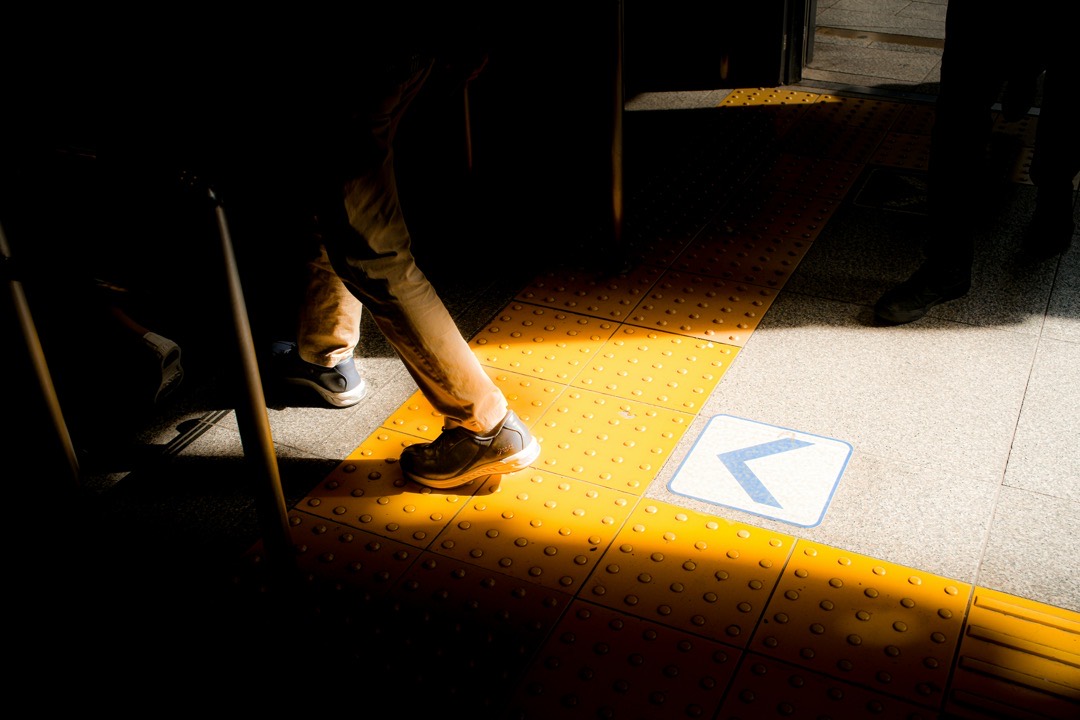
The marble stairs that spiral up the Leaning Tower of Pisa are scooped hollow down the middle of each tread, worn into shallow dishes by the feet that have climbed them for six hundred years. Step after step, climber after climber, each one lifting a few grains of marble away on the sole of a shoe. Nobody set out to carve those hollows. They're the sum of one ordinary act repeated until the repetition turned into a shape.
You can't point to the footstep that did it. The hollow isn't an event. It's an accumulation, a running total of every climb, kept in the marble.
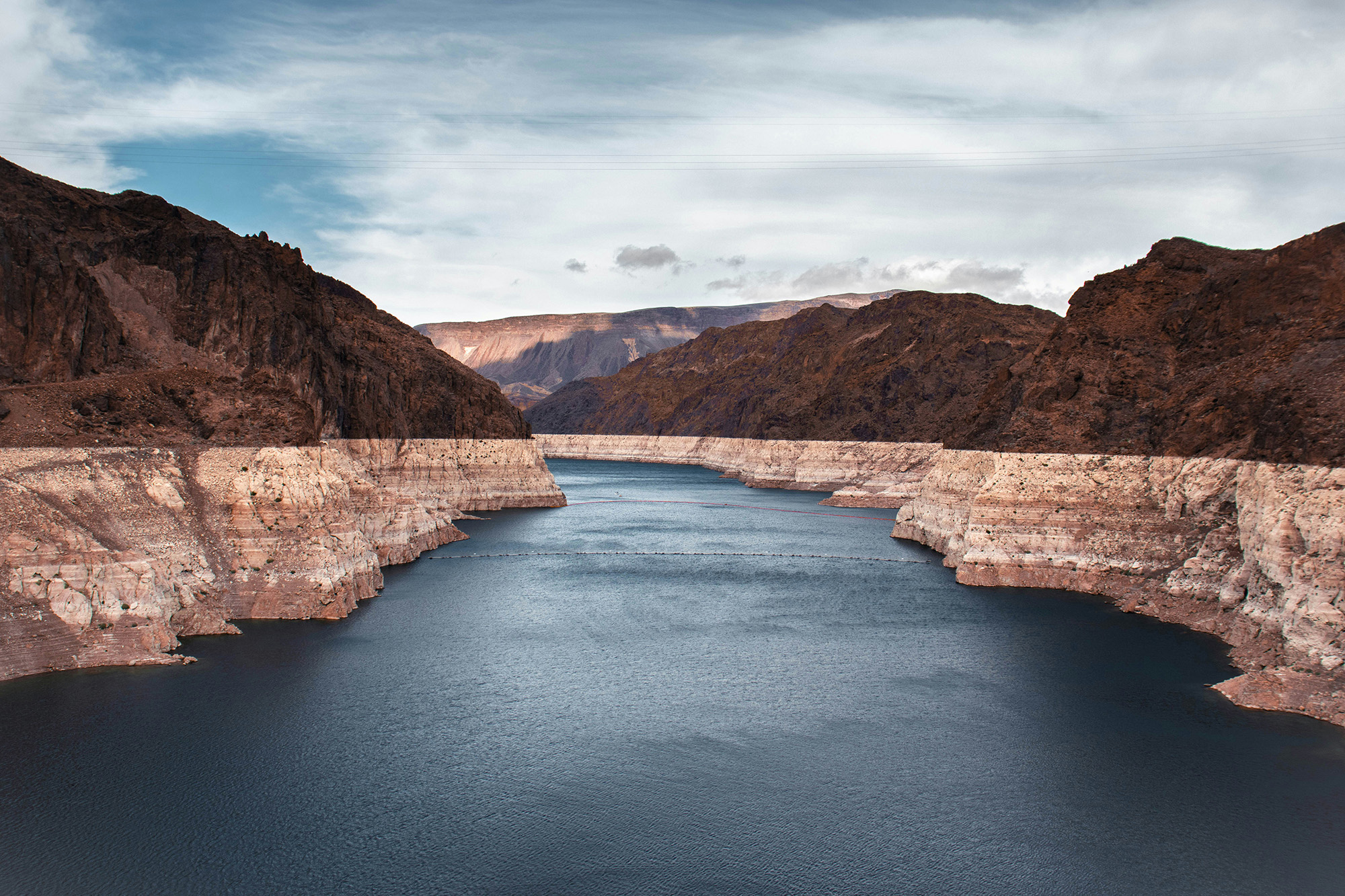
This is the trick erosion plays on the eye. We see a result and go looking for a cause the same size as it. A canyon a mile deep must have been cut by something violent. But the Colorado is only water moving downhill, carrying a little grit, doing the same unremarkable thing every second of every day for millions of years. The river is a verb, a flow. The canyon is the noun it leaves behind, a stock, the shape of everything the water has already taken away.
Stand at the rim and you're not looking at the river. You're looking at its history, the sum of every flood and dry season held in rock. The forces are slow and nearly invisible. Only what they've added up to is large enough to see.
But the canyon is more than a record. The river runs where it runs because the canyon is already there: the channel the water cut is the channel the water now has to follow. That's the move every system makes. What passes through it builds the structure, a grain or a bit of data, and then the structure turns around and decides what passes through next. The behavior you can see is downstream of a shape you usually can't. Structure generates behavior.
Which is why erosion gets misread while it's still happening. In the spring of 1935 dust storms rolled across the southern plains so thick they turned afternoon to midnight; on April 14, a wall of black soil swallowed towns from the Dakotas to Texas. People blamed the drought, the wind, the freak run of weather. The drought was real, and it rose in step with the dust. But things that move together aren't always cause and effect; this was correlation, and the cause was somewhere else.
For thirty years, farmers had been turning over native prairie that had held the same ground through every drought in living memory. The grass ran roots deep, a structure built to keep soil in place when the rain stopped coming. The plow cut it out and left bare dirt where the roots had been. The drought didn't make the Dust Bowl. The drought arrived, the way droughts always do, and found a system already stripped of the thing that let it survive in the past.
This kind of failure runs on a delay. You can pull the structure out of a system and watch it run normally for years, through every ordinary season, right until the season that would once have been survivable and now isn't. From the outside, a system one bad season from collapse looks no different from one that could take ten. You can't see which you have until the season comes. Cause and catastrophe don't sit next to each other in time. Hugh Bennett, a soil scientist, knew this, and in 1935 he timed his testimony to Congress for a day when dust from the plains had darkened the sky over Washington. The room could finally see the thing he'd spent years warning about. A federal soil conservation service was law within weeks.
The delay is the cruel part. The prairie was torn out for thirty years before the sky turned black, and for all thirty there was still a field standing, a system you could have started to recover while everything looked fine. We almost never use that window. Nothing seems wrong yet, so the channel keeps deepening a grain at a time, until the moment it's too deep to climb out of. We wait for the dust.
A channel, once started, deepens itself. Spread thin over grass, water does almost nothing; let it find one groove and it pools there and cuts what it's already cut, until the easiest path and the only path are the same. The groove recruits the next drop, the loop feeding itself. Water finds the low line and deepens it. So do we.
Most of the structures that run us don't look like structures. They look like the way things are. Lanes get added to ease traffic, the ease pulls in more cars, what planners call induced demand. But the relief never comes, because the road was never the limit. Every lane empties into the same narrow mouth at the far end, a bridge or downtown that holds only so many, and a system runs no faster than its narrowest point. Widen all the rest and you only deliver more cars, sooner, to the one place that was always going to stop them, until the only way to get anywhere is to join the crawl. You're the water, and the channel is nothing but your own repeated passing, and it steers you even as you deepen it.
So when something keeps washing out in the same place, the storm isn't the explanation. Patch the gully after each rain and you'll patch it forever, because the patch never touches the shape that keeps carving it. The leverage is upstream, in whatever keeps sending the water there. Redirect that flow, and the delay that hid the damage now hides the repair. Then the line the water takes begins, slowly, to wander somewhere else.
We built a place that runs on this kind of time, an island where you change the flow and the accumulation. It's called Oasea.