 Dlightning

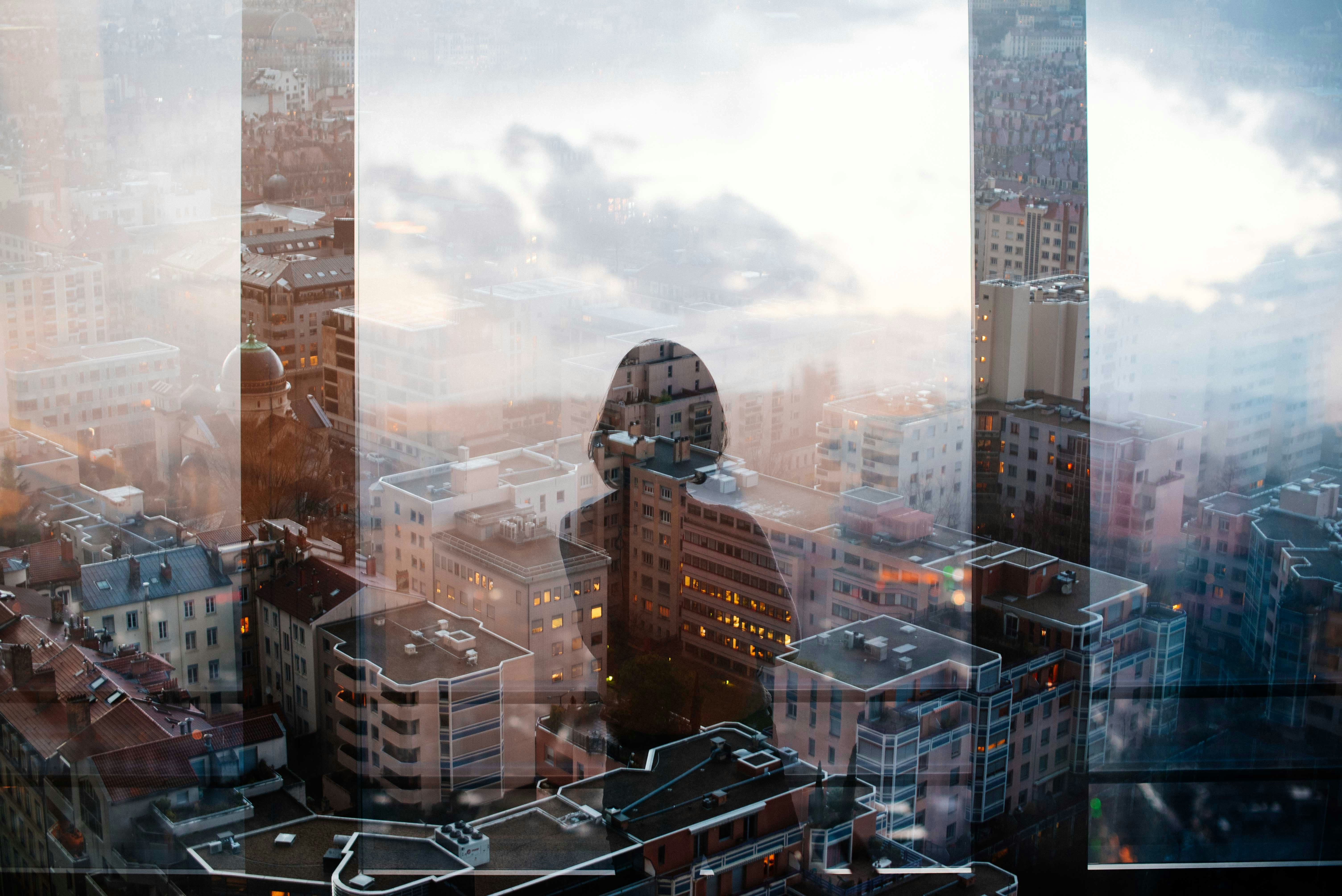
You've seen the picture even without a name for it. A white city terraced with greenery, vines spilling over balconies, a clean tram gliding past a vertical farm. Sunlight, no glare. Everyone strolling. The render is always set at golden hour, and nobody is carrying out the trash.
This is solar-punk, the house style of the optimistic green future. It turns up in concept art and the deck for a funding round. And it has a tell: you can never find the soil. The plants are there, lush and total, but the brown part, the part that rots and smells, gets cropped out of frame.
Soil is where the real work of an ecosystem happens, and almost none of it photographs well. A teaspoon of healthy soil holds more living organisms than there are people on earth. Their work is decomposition: taking what died and turning it back into what the next thing will need. A forest is not clean. It runs on its own dead. The canopy gets the photo; the soil food web does the labor.
Solar-punk paints the canopy and skips the decomposers. It wants the lushness without the rot, the growth without the death that pays for it. That makes it less a vision of nature than a vision of a product: the green parts kept, the ugly parts handled by someone off-screen.
We design software the same way. Look at almost any product and you'll find the up-and-to-the-right render and nothing behind it. Onboarding is designed within an inch of its life. Growth has a whole team. The ending has no one. What happens when the user leaves, when the company folds, when the app is sunset, when the file format dies, gets left out of frame the way the soil is.
So we've built an environment with no decomposers. The world threw out 62 million tonnes of electronics in 2022 and recycled less than a quarter of it. Online it's harder to see, because nothing visibly piles up: dead accounts, abandoned tools, a photo library trapped in a format nothing reads anymore, a decade of someone's writing inside a company that pivoted away from it. None of it returns anything to what comes next. It doesn't decompose. It stops.
The alternative isn't a prettier aesthetic. Soil-punk doesn't render well, which is the point of it. Permaculture has a principle for this, "small and slow solutions," set on purpose against the big and fast. The design questions it raises are unglamorous. What does this thing leave behind. Can it be fixed by the person who owns it. What happens to it when it dies.
Some people already build toward the answers. The company Ecovative grows packaging from mycelium, the root threads of mushrooms, so the box protecting your order can be torn up and composted in a few weeks instead of outlasting your grandchildren. The same instinct runs through every salvage yard and repair café: the next useful thing assembled out of what the last system discarded, because the discards are everywhere and they're free.
That principle scales down to a screen. Design for the ending the way you design the welcome. Real data portability, not a folder of orphaned exports. Formats that outlive the vendor who made them. Tools small enough that the person using them can maintain and repair them, rather than renting access until the lights go out. None of this shows well in a pitch. All of it decides what's left when the product is gone.
A product built only for its growth curve is a render. It shows the canopy and crops out what happens after the light changes. The harder thing to build is the soil: design that plans for its own ending, that comes apart and returns, that leaves the ground richer for whatever grows next. It won't photograph as well. It will last longer, and so will what comes after it.